*WARNING* This post includes spoilers for Coyote vs. Acme. Which you REALLY should have seen already. It’s that funny. So is the New Yorker piece that inspired it.

In Coyote vs. Acme, the ACME Corporation faces its biggest crisis to date. After years of being hit with penny-ante lawsuits for defective products, Wile E. Coyote (Super Genius) brings the Mother of All Lawsuits to their door, wanting damages for the innumerable injuries he has suffered while using their products in his futile, but hysterical, attempts to capture the Roadrunner.
HERE COME THE SPOILERS…
When the case finally comes to trial, through some (pretty funny) maneuvering, ACME’s legal team gets the case dismissed. However, they now face a Congressional hearing, chaired by Senator Fudd (no party or state listed). The committee decides not to pursue federal charges for reasons that I didn’t think totally held up when I saw it, but I’m trying not to be “that guy.” So, ACME wins in both trials.
EXCEPT
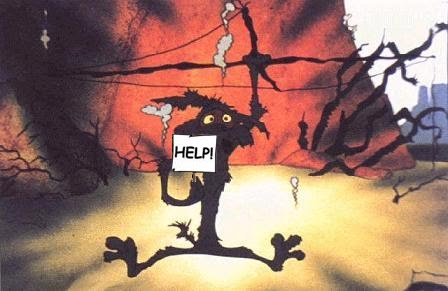
We see that now thousands more cartoons are coming forward to sue the company. Their reputation is so damaged that more people (well, pigs, canaries, sheepdogs, etc.) are seeking justice for themselves. ACME “won” in court, but lost in the public eye.
The movie highlights a crucial difference in crisis response. In a court of law, you are trying to be found “not guilty.” But, in the court of public opinion, you have to be found “innocent.” You can win every lawsuit and criminal trial you face, but if you don’t convince the public you are innocent, your reputation will not fully recover. For example, Lizzie Borden was acquitted of murdering her father and stepmother in 1893. Yet, 133 years later, people still assume she did it. There’s even a rhyme about it.
So, what’s the difference? In court, you can be found “not guilty” by questioning evidence and statements without having to provide a counter to them. You just need to raise enough questions about what is being said about you. There are also technicalities that can get you off the hook.
To be found “innocent,” however, you need to PROVE you didn’t do it, not just prevent the other side from proving you did. You need to not only question what they say about you, but show what the truth is. You must provide the documents and other evidence that show you did what you claim you did, or didn’t do what they claim.
I’ve faced this challenge with a number of clients, especially those who are either lawyers or are having their lawyers drive crisis response. I say this with no animosity – lawyers are great at doing what they are trained to do. And, yes, being found guilty in court does negatively affect your public perception. But, an acquittal is not an absolution. In a crisis that involves the law, you are fighting on two fronts. And both are equally important. Also, as an attorney said on a panel we shared years ago, events in the real world affect judges and juries.
In a crisis, organizations must work to be found both “not guilty” and “innocent.” I think they’re equally important. It doesn’t matter if you win your court case if no one will buy your product ever again. And, it doesn’t help much that your sales are up 30% if you’re told about it in your cell. Good leaders take counsel from both their legal team and communications team to determine which actions will most likely bring them success in both areas.
Now, go enjoy the movie.